Categories
Printing Wedding Stationery

What is Seeded Paper? How It Works And How To Plant It

Seeded paper is biodegradable paper containing real wildflower seeds. Once you have finished with it, the paper can be planted in peat free compost or soil, where the paper breaks down and the seeds can germinate and grow.

So, what exactly is seeded paper? As the name suggests, it’s an environmentally friendly type of paper made from recycled paper and cotton fibres, with wildflower seeds embedded within it. Instead of being destined for the bin once it’s served its purpose, this paper can be planted to grow into a colourful display of wildflowers. It’s a wonderful fusion of creativity, recycling, and nature proof that sustainability doesn’t have to be dull or complicated.

How Does Seeded Paper Work?

Using seeded paper is surprisingly easy and rewarding. Once you’ve finished with your card, tag, or invitation, don’t throw it away plant it! Begin by soaking the seeded paper in water overnight. This helps the seeds swell and prepares them for germination. The next day, place the softened paper on top of a pot or garden bed filled with good-quality, peat-free compost. Cover it with a very thin layer of compost just enough to keep it moist, but not so much that it blocks the sunlight the seeds need to sprout.

How do you plant Seeded Paper?

To give your seeds the best start, keep the soil damp by spraying or lightly watering it every day. Avoid letting it dry out completely, especially during the first week.

How Long Does Seeded Paper Take to Grow?

Under suitable conditions, seedlings may begin to appear within 7-10 days, you should begin to see the first tiny green shoots pushing their way up through the peat-free soil. Something new is growing from something once discarded. For the best results, plant your seeded paper in late spring when the risk of frost has passed. If you’d like to get a head start, you can plant it indoors in a bright, warm spot such as a windowsill or greenhouse. As the seedlings grow, you can transplant them outdoors to enjoy a full season of blooms.

What Flowers are inside Dynamic Print Seeded Paper?

Each sheet of our seeded paper contains a carefully selected mix of vibrant wildflower seeds chosen to attract bees, butterflies, and other pollinators. The blend includes favourites like Catchfly, English Daisy, Sweet Alyssum, Spurred Snapdragon, and Corn Poppy each adding its own burst of colour and charm. You might also find the golden glow of Black-Eyed Susan, the delicate petals of Dwarf Godetia, the fragrant notes of Lemon Mint, and the soft hues of Maiden Pinks. The exact seed mix can vary, so always check the seed information supplied with your Seeded Paper.

A simple piece of paper turns into a thriving habitat. Not only do they bring beauty to your garden, but they also support vital pollinators that keep our ecosystems healthy.

Why Choose Seeded Paper?

Seeded paper embodies the idea of giving back to the earth. It’s perfect for eco-conscious weddings, sustainable business cards, thoughtful gift tags, or even promotional materials for brands that care about their environmental footprint. Each piece carries a message literally and figuratively that growth and renewal are always possible.

Using seeded paper is also a gentle reminder that sustainability can be creative, joyful, and deeply meaningful. Watching flowers bloom from something once used is a satisfying and symbolic experience. It’s a small act, but one that connects us to nature and reinforces the importance of mindful living.

Why isn’t my Seeded Paper growing

If your seeded paper isn’t growing, the most common reasons are insufficient moisture, unsuitable temperatures, poor soil conditions or planting the paper too deeply. While seeded paper is designed to grow, not every sheet will sprout successfully. Growth depends on several factors such as soil quality, temperature, and watering habits. Don’t be discouraged if some seeds don’t take root nature always works in her own way. For more information on how to get the best results, feel free to reach out to us for guidance.

From Paper to Petals

Seeded paper is more than just a sustainable alternative it’s a story of transformation. From words and messages printed on its surface to the vibrant blooms that emerge later, it’s a living reminder that beauty and sustainability can go hand in hand. So next time you receive or send something made from seeded paper, remember: you’re not just giving a card or note you’re giving life itself.

At Dynamic Print, we produce Seeded Paper Business Cards, Wedding Stationery, Invitations, Gift Tags, Promotional Materials and other short-run printed products. Our Seeded Paper combines professionally printed design with a paper that can be planted after use, making it a popular choice for Businesses, Weddings and Events looking for a more sustainable printed solution.

Categories
Envelopes Printing Wedding Stationery

Collaborating with Nova-Terra: Unusual Eco-Friendly Papers for Creative Print

We love working with people who are as passionate about unusual and sustainable materials as we are, so when the opportunity came to collaborate with Nova-Terra, it was a natural fit. Together, we have brought together Nova-Terra’s creative designs with Dynamic Print’s range of unusual eco-friendly papers and specialist printing and finishing. The result is a collection of papers that are not only kinder to the environment but also bring something different to a printed project.

Papers with a story to tell

This collection includes some wonderfully unusual papers made from natural and recycled materials, including 100% cotton, seaweed, agricultural waste, grass, confetti and even elephant poo! We also have a range of seeded papers containing wildflower seeds. These are particularly popular for wedding stationery, invitations and promotional materials because the paper doesn’t have to be thrown away once it has been used – it can be planted and, with a little care, turned into flowers. And we know it really works because we’ve got our own little experiment going on at our industrial estate! Take a look at our garden and you’ll see some of our seeded paper doing exactly what it is supposed to do.

Some of our favourite unusual papers

One of the papers that always gets a reaction is our seaweed paper. It contains 30% seaweed and has a lovely natural appearance. But there’s something else that makes it memorable…

It actually smells like the sea!

Then there’s our coffee husk paper, which contains real coffee husks within the sheet, and our confetti paper, which has colourful pieces scattered through the paper to create a fun and celebratory look. These papers aren’t trying to look like conventional paper and that’s exactly what makes them so interesting.

Sustainable doesn’t have to mean boring

We think sustainable print should still look and feel fantastic. The texture, colour and natural inclusions in these papers can add another dimension to a design, particularly when combined with traditional finishing techniques such as hot foiling, embossing, debossing and die cutting. They can work beautifully for wedding invitations, stationery, packaging, certificates, promotional materials and creative projects where you want the finished piece to stand out.

Would you like to see the papers?

If you’re looking for something a little different from a standard recycled paper, we’d be happy to send you a free eco paper sample pack. There’s really no substitute for seeing and feeling these papers in person. Some of them are quite difficult to describe until you have them in your hands! If you’d like to find out more, get in touch with Dynamic Print and we’ll be happy to help you choose a paper for your project. You can also find out more about our collaboration with Nova-Terra and their creative work by visiting Nova-Terra. We really enjoy working with unusual papers, and this collection is a great example of how sustainable materials can be both environmentally conscious and genuinely exciting to print on.

Categories
Printing Wedding Stationery

What Is a Vectorised File? A Guide to Vector Artwork for Printing

If you’ve ever sent artwork to a printer, you may have been asked:

“Can you send us the artwork as a vectorised file?”

But what exactly is a vectorised file, and why is vector artwork so important for professional printing? At Dynamic Print, we regularly work with vector artwork for hot foiling, embossing, debossing and die cutting, as well as digital and traditional print. Having the correct artwork can make a significant difference to the quality of the finished product.

What is a vectorised file?

A vector graphic is artwork made from mathematically defined lines, curves and shapes, rather than individual pixels. This means a vector logo, illustration or piece of typography can be enlarged or reduced without becoming pixelated or losing its sharpness. Common vector file formats include AI (Adobe Illustrator), EPS and PDF. SVG is also a vector format, although it is more commonly used for digital and web applications. The important thing to remember is that saving a JPEG inside a PDF does not automatically make it a vector file. The artwork itself needs to contain vector paths and shapes.

Why is vector artwork important for printing?

There are several reasons why printers often prefer vector artwork.

  1. Vector artwork can be scaled without losing quality

One of the biggest advantages of vector artwork is that it can be enlarged or reduced while retaining clean, sharp edges. For example, the same vector logo could be used on a business card, a certificate or a much larger printed piece without the artwork becoming pixelated. This is particularly important for logos, typography and illustrations that need to reproduce accurately at different sizes.

  1. Vector artwork produces clean, precise edges

Because vector artwork is made from paths, lines and curves rather than pixels, it is ideal for designs that require crisp edges and fine detail.

This is particularly useful for:

  • Logos
  • Small text
  • Line drawings
  • Illustrations
  • Patterns
  • Packaging artwork
  • Foil artwork
  • Embossing and debossing artwork
  • Die-cutting artwork

For specialist print finishing, precision is particularly important.

Why does Dynamic Print need vector artwork for hot foiling and embossing?

This is where vector artwork becomes especially important to us. At Dynamic Print, we produce traditional hot foil printing, embossing, debossing and die cutting, using specialist equipment and physical dies. For processes such as hot foiling and embossing, the artwork is used to create the tooling or metal die that transfers the design onto the paper. The artwork therefore needs to work not only visually on a computer screen, but also as a physical piece of tooling. Very fine lines, tiny gaps or extremely small lettering can sometimes become problematic when converted into a metal die. That’s why we always recommend supplying the highest-quality vector artwork you have.

Can I use a JPEG for foiling or embossing?

You can send us a JPEG for assessment, but a JPEG is not normally the ideal artwork format for creating a foil or embossing die. JPEGs are raster images made from pixels. If the image is low resolution or has been enlarged, the edges can become soft or pixelated. If your logo or artwork only exists as a JPEG or PNG, don’t worry. Send it to us anyway. We can look at the artwork and advise you whether it is suitable for your project. In some cases, the artwork may need to be recreated or converted into vector artwork before production.

What is the difference between vector and raster artwork?

The easiest way to remember the difference is:

Vector = lines, curves and shapes

Raster = pixels

A vector logo can be enlarged or reduced while retaining its sharpness. A raster image has a fixed number of pixels, so enlarging it too far can result in pixelation or loss of detail. Both types of artwork have an important place in printing. Photographs, for example, are normally raster images and can reproduce beautifully when supplied at an appropriate resolution. The important thing is using the right type of artwork for the job.

What file should I send to a printer?

The preferred file format depends on the printer and the type of work being produced.

Common vector formats include:

  • PDF
  • AI – Adobe Illustrator
  • EPS

For print, a correctly prepared PDF can be an excellent way of supplying finished artwork, while an AI or EPS file can be useful when editable vector artwork is required. If your project involves hot foiling, embossing, debossing or die cutting, it’s always worth checking with your printer before sending the final artwork. At Dynamic Print, we’re happy to advise you on what we need.

What does “vectorising a logo” mean?

If your logo currently exists only as a JPEG or PNG, vectorising it means recreating the artwork as vector shapes and paths. It is important to understand that simply saving a JPEG as a PDF does not vectorise it. The JPEG remains a pixel-based image inside the PDF. True vector artwork consists of editable paths, shapes, lines and curves. For logos and simple artwork, a designer can often recreate the design as vector artwork. More complicated artwork may require additional work to reproduce accurately.

Do fonts need to be outlined?

When supplying final artwork, you may sometimes be asked to outline your fonts. Outlining converts the letters into vector shapes rather than leaving them as editable text. This can help prevent font-substitution problems if the printer doesn’t have the same font installed. However, there is an important tip: Always keep an editable copy of your original artwork before converting fonts to outlines. Once text has been converted to outlines, it is no longer editable as normal text.

Which is better for printing: PDF, AI or EPS?

There isn’t one format that is automatically best for every printing job. The important question is whether the file contains the correct vector artwork and print information required for the job.

As a general guide:

AI – useful as an editable Adobe Illustrator master file.

EPS – a long-established vector format that is still used for certain print and production applications.

PDF – widely used for supplying finished print artwork and can contain both vector and raster elements.

The format alone doesn’t guarantee that a file is suitable for printing. What’s inside the file matters.

Why good artwork matters at Dynamic Print. At Dynamic Print, we don’t simply put your artwork into a printer and press a button. For specialist processes such as traditional hot foiling, embossing, debossing and die cutting, your artwork becomes part of the physical production process.

We need to consider things such as:

  • Line thickness
  • Small text
  • Fine detail
  • Gaps between elements
  • Overall design size
  • Paper or card thickness
  • The depth required for embossing or debossing
  • The type of foil being used
  • How the design will translate into a physical die

This is particularly important when producing intricate certificates, luxury stationery, business cards, wedding invitations and bespoke print. Sometimes a design that looks perfect on a computer screen needs a small adjustment before it can be turned into a successful physical print finish. That’s where experience matters.

Frequently Asked Questions About Vector Files

What is a vectorised file?

A vectorised file contains artwork made from mathematical paths, lines, curves and shapes rather than pixels. This allows the artwork to be scaled without losing its sharpness.

Is a PDF a vector file?

A PDF can contain vector artwork, but not every PDF is a vector file. A PDF can contain vector graphics, raster images, text or a combination of all three.

Is a JPEG a vector file?

No. JPEG is a raster image format made from pixels.

Can you print a JPEG?

Yes. JPEGs can be printed successfully when they have sufficient resolution for the size of the finished print. However, vector artwork may be preferable for logos, typography and specialist processes such as foiling and embossing.

Do I need a vector file for hot foiling?

For hot foiling, vector artwork is generally the preferred starting point because the design needs to be translated into physical tooling. At Dynamic Print, we can assess your artwork and advise you if changes are required.

Do I need a vector file for embossing and debossing?

Vector artwork is strongly preferred for creating embossing and debossing dies because the artwork needs to be converted into physical tooling with accurate lines and shapes.

Can Dynamic Print vectorise my logo?

If you only have a JPEG or PNG of your logo, send it to us and we can look at it. Depending on the complexity of the artwork, it may be possible to recreate it as vector artwork or we can advise you on what is needed.

Need help with your artwork?

Don’t worry if you’re not sure whether your artwork is suitable. Send your file to Dynamic Print and we’ll take a look.

Whether you’re producing business cards, wedding invitations, certificates, stationery, packaging or bespoke printed pieces, we can advise you on the best artwork format for your project. If you’re looking for hot foil printing, embossing, debossing or traditional die cutting in Norfolk, talk to Dynamic Print about your project.

The better the artwork, the better the starting point for beautiful print.

Categories
Envelopes Printing Wedding Stationery

The Ultimate Wedding Printing Checklist: Everything You Need for Your Big Day

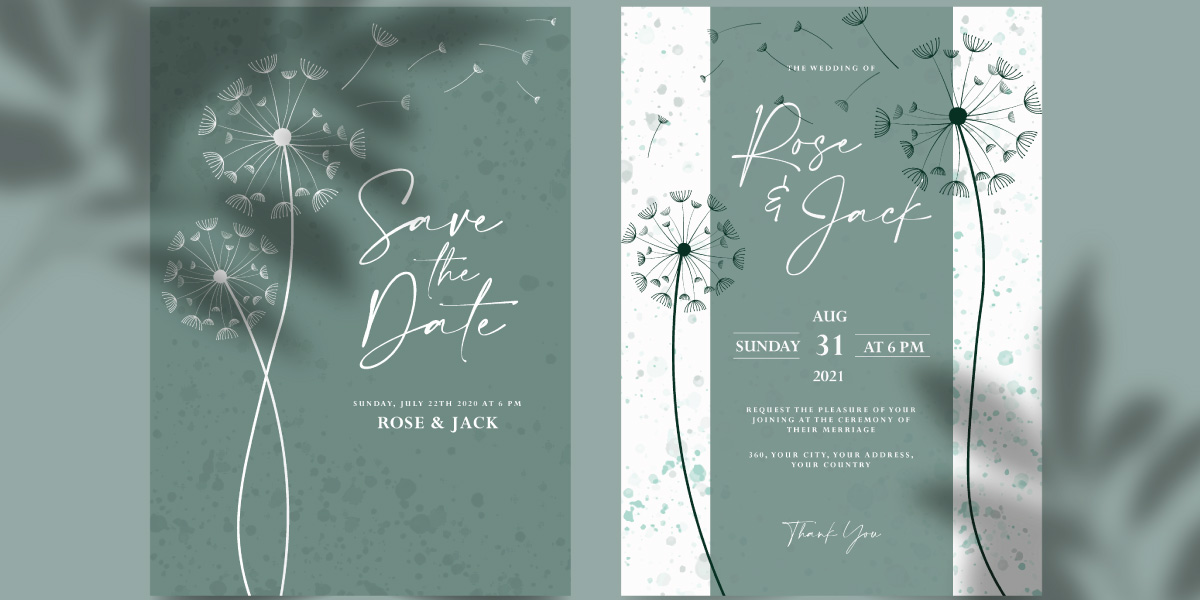
Planning a wedding involves hundreds of little details, and wedding stationery is one of the easiest things to overlook. From your first save the date through to your thank you cards, printed details help set the tone for your wedding and bring your overall style together. At Dynamic Print, we specialise in premium wedding printing, including hot foiling, embossing, debossing, die cutting and luxury digital printing. We work with a wide range of beautiful papers and finishes to create wedding stationery that feels as special as the occasion itself. So, what wedding stationery do you actually need?

Here’s our wedding printing checklist to help you plan.

  1. Save the Dates

Your save the date is often the first piece of wedding stationery your guests will see. It should include the essential information:

  • Your names
  • The wedding date
  • The location or general area
  • A note telling guests that a formal invitation will follow

Save the dates can be simple, elegant or highly creative. If you want to make a strong first impression, consider foil printing, embossed details or a specialist paper stock.

  1. Wedding Invitations

Your wedding invitation is arguably the most important piece of your wedding stationery. It needs to provide all the information your guests need, including:

  • Wedding date
  • Ceremony time
  • Venue
  • Reception details
  • RSVP information
  • Dress code
  • Accommodation information, where relevant

You may also want to include additional invitation inserts covering directions, accommodation, transport, your wedding website or other useful information. For a luxury finish, hot foil wedding invitations are particularly popular. Gold, silver, copper and coloured foils can add a beautiful metallic detail, while embossing can give your invitations a tactile, three-dimensional finish.

  1. RSVP Cards

If you are asking guests to formally confirm their attendance, an RSVP card can be included with the invitation. Remember to allow space for:

  • Guest names
  • Attendance confirmation
  • Meal choices
  • Dietary requirements
  • Any other information you need

Including a pre-addressed envelope can also make it easier for guests to return their response.

  1. Order of Service

An order of service helps guests understand what is happening during your ceremony.

It might include:

  • The names of the couple
  • The wedding party
  • Ceremony timings
  • Readings
  • Hymns or music
  • Special acknowledgements
  • The order of the ceremony

This is another opportunity to bring your wedding design together through your choice of typography, paper and finishing.

  1. Wedding Menus

Printed wedding menus don’t just tell guests what they are eating they can also become part of the table styling. Menus can be personalised with each guest’s name or designed as a shared menu for the table. For a luxury wedding, consider combining a beautiful uncoated or textured paper with foil printing, embossing or die cutting.

  1. Place Cards

Place cards make it clear where each guest should sit and can also become a decorative part of your tablescape. They can be printed on a wide variety of papers and cut into different shapes to complement your wedding stationery. For something more memorable, consider foil-stamped place cards or embossed names.

  1. Table Numbers and Table Names

Whether you choose numbers, names, places or something completely personal, your table stationery should be easy for guests to see. Your table numbers or names can be designed to match your invitations and menus, creating a consistent look across your wedding.

  1. Seating Plan

A seating plan is particularly useful for larger weddings. It should be clear and easy to read, allowing guests to quickly find their table. A professionally printed seating plan can also become an important part of your wedding décor. From large-format printed boards to individual cards and beautifully finished paper, there are plenty of ways to make it part of the overall design.

  1. Wedding Signage

Wedding signage helps your guests find their way around the venue while adding personality to your day.

You might need signs for:

  • Welcome signs
  • Ceremony directions
  • Reception directions
  • Seating plans
  • Bar menus
  • Guest books
  • Gift tables
  • Photo booths
  • Wedding favours

Keep the design consistent with your invitations and other stationery so everything feels part of the same wedding.

  1. Wedding Favours and Tags

If you’re giving your guests a wedding favour, a small printed tag can add a personal finishing touch. Tags can include your names, wedding date, a short message or simply a thank you. Specialist die cutting and foil printing can turn a simple favour tag into something much more distinctive.

  1. Guest Books and Other Printed Details

There are plenty of smaller printed items that can easily be forgotten when planning your wedding stationery.

Depending on your wedding, you might also need:

  • Guest book cards
  • Advice cards
  • Thank you tags
  • Confetti cones
  • Drink tokens
  • Bar menus
  • Cocktail cards
  • Table plans
  • Wedding favour labels

You don’t necessarily need all of these the right stationery depends on your wedding and your venue.

  1. Thank You Cards

After the wedding, don’t forget your thank you cards. These are traditionally sent to guests who attended your wedding or gave you a gift. You could include a favourite photograph from your wedding day or continue the same design used throughout your wedding stationery.

Don’t Forget the Printing Details

Once you’ve decided what you need, there are a few practical things to consider before sending your artwork to print.

Check your quantities

Don’t order exactly the number of guests attending. It’s always sensible to allow for a few extras, particularly with invitations, menus and place cards.

Check your artwork carefully

Proofread names, dates, addresses, timings and dietary information carefully before approving your artwork. Once something has been printed, mistakes can be expensive to correct.

Think about your paper

Your choice of paper can completely change the look and feel of your wedding stationery. At Dynamic Print, we work with a wide range of premium and specialist papers, including textured, recycled and environmentally considered stocks.

Consider finishing

If you’re looking for something more luxurious, think about whether hot foiling, embossing, debossing or die cutting could enhance your design. These processes add texture and dimension that you simply don’t get from standard digital printing.

When Should You Order Your Wedding Printing?

Don’t leave your wedding stationery until the last minute. Save the dates are generally sent well before the invitations, while invitations need to allow guests plenty of time to RSVP. On-the-day stationery such as menus, place cards and table plans can be finalised closer to the wedding once your guest numbers are confirmed. If you’re using specialist finishing such as foil blocking, embossing or die cutting, allow additional production time.

Your Wedding Printing Checklist

To make planning easier, here’s the complete list:

  •  Save the dates
  •  Wedding invitations
  •  RSVP cards
  •  Information cards
  •  Order of service
  •  Wedding menus
  •  Place cards
  •  Table numbers or names
  •  Seating plan
  •  Welcome signs and venue signage
  •  Wedding favour tags
  •  Guest book cards
  •  Bar or cocktail menus
  •  Confetti cones or tags
  •  Thank you cards

Beautiful Wedding Printing at Dynamic Print. Your wedding stationery should feel as special as the day itself. At Dynamic Print, we combine traditional printing craftsmanship with modern digital printing, specialising in techniques including hot foiling, embossing, debossing and die cutting. Whether you’re looking for elegant wedding invitations, luxurious foil stationery, beautifully embossed menus or a complete set of coordinated wedding printing, we’d love to help you create something memorable.

Planning your wedding stationery? Get in touch with Dynamic Print to discuss your ideas, papers, printing and finishing options.

Categories
Wedding Stationery

From Wedding Photography to Dog Photography: A Creative Print Partnership

From Wedding Photography to Dog Photography: A Creative Print Partnership

I first met Jim at a Business Breakfast networking meeting and we immediately hit it off. I loved his sense of humour and his genuine enthusiasm and passion for photography. Jim had photographed numerous weddings and had already received recognition and awards for his photographic work, so it was great to hear about his career and the projects he was working on.

A Different Take on the Wedding Thank You Card

Our first print project together was a little different from the usual wedding stationery. Jim wanted to create something that would allow his clients to showcase more of their wedding photographs, rather than simply sending a traditional Thank You card. Working together, we produced a business-card-sized concertina card, incorporating a selection of photographs from the wedding day and evening. The folded format gave couples plenty of space for their favourite images while still creating something small, unusual and easy to send. The cards proved very popular with Jim’s clients and we have continued to print them for him over the years.

When Weddings Were Put on Hold

Then, of course, the pandemic arrived. The wedding industry was hit particularly hard, with weddings and celebrations being cancelled or postponed. This had a direct impact on Jim’s photography work and, like many businesses, it also affected the part of our own business that specialises in bespoke wedding stationery and specialist print. But Jim didn’t sit still. With more time available, he decided to put his energy into another passion of his dogs. As a lifelong dog owner and lover, Jim saw an opportunity to create something different and began renovating a building to turn it into a dedicated photography studio for his new dog portrait photography service.

Creating the Printed Materials for His New Business

When Jim launched his dog photography service, we were delighted to help with the printed materials. We produced an A5 roll-fold voucher and information leaflet, printed onto a premium heavyweight card. The format gave Jim plenty of room to showcase some of the fantastic photographs he had taken of his first canine models, while also providing space for information about the service. It was another great example of how bespoke print can help a photographer present their work professionally and give potential customers something tangible to take away. And, as with many of the projects we work on at Dynamic Print, it wasn’t simply about choosing a piece of paper and putting some ink on it. The format, weight and finish all helped to make the finished piece feel special and reflect the quality of Jim’s photography.

From Weddings to Dogs

What I particularly like about working with Jim is that our projects have changed as his business has evolved. We started with creative wedding Thank You cards, worked through the difficult period of the pandemic and then helped him with printed marketing materials as he developed his new dog photography business. For me, that’s what good business relationships are all about. It’s not simply about printing something and sending it out the door. It’s about understanding what a client is trying to achieve and finding a print solution that works for them. It’s been lovely to see Jim develop his photography business over the years and to play a small part in helping him present his work through print. If you’re a photographer, creative business or wedding professional looking for bespoke printed cards, concertina leaflets, vouchers or premium marketing materials, we’d be very happy to talk through your ideas. You can also find out more about Jim and his photography by visiting JB’s Dog Photography:

www.jbsdogphotography.co.uk/