We all know that flowers can have their own language. Roses for love, lilies for sympathy, sunflowers for optimism and so on. But what about the paper they’re presented in? We often talk about colour, design and typography when discussing printed materials, but the paper or card you choose can make just as much difference to the finished result. At Dynamic Print, we’ve worked with paper for many years, and one thing we’ve learnt is that the same design can look and feel completely different depending on what you print it on.
Paper changes the feel of a design
A thick, textured card can immediately make something feel more luxurious. A natural Kraft stock can give a more rustic or relaxed appearance, while a coloured or unusual paper can make a design stand out. Then there are papers with their own character. Some have a smooth finish, others have a pronounced texture. Some are made from recycled fibres, while others contain unusual materials such as cotton, seaweed or agricultural waste. The choice can be quite overwhelming, particularly when you’re looking at samples on a screen. That’s why we always recommend seeing and feeling the paper before making a final decision where possible.
It’s not just about how it looks
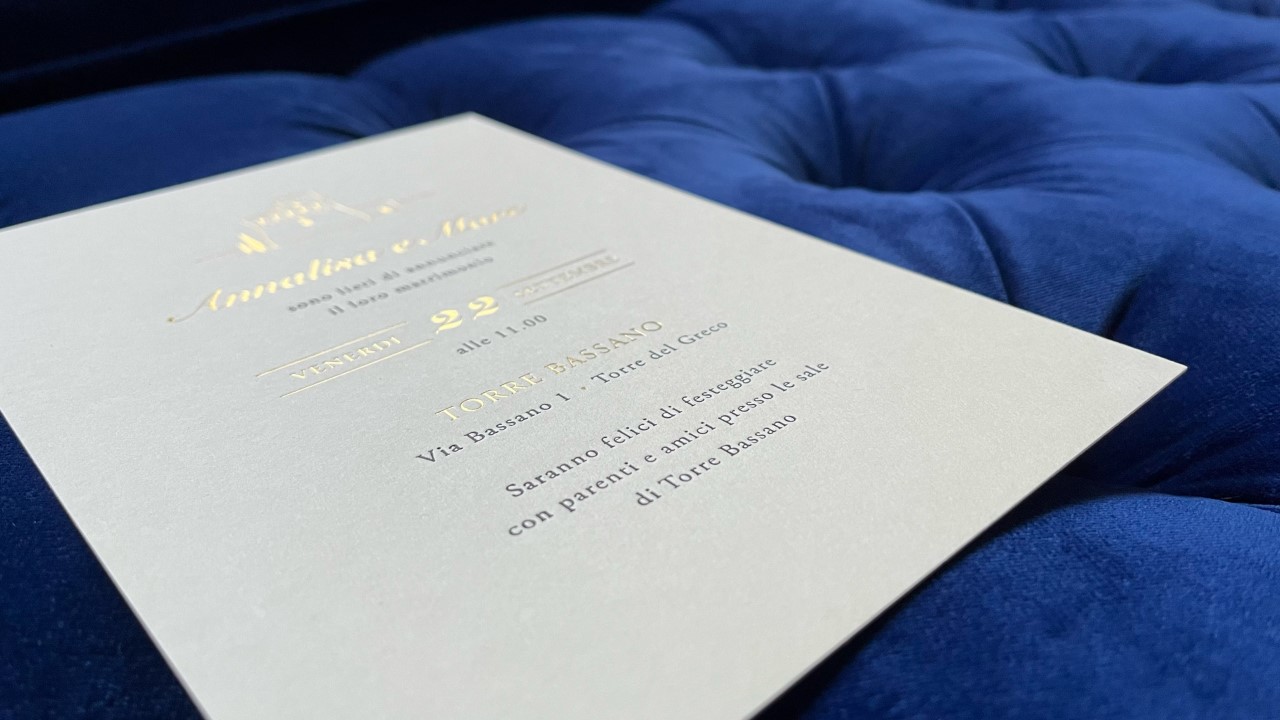
Paper is something you experience with your hands as well as your eyes. Think about receiving a beautifully printed wedding invitation. The weight of the card, the texture of the surface and the way the printing feels can all add to the experience. The same applies to business cards, certificates, packaging, menus, invitations and promotional materials. There’s a reason people still like beautifully printed things in a world where so much communication is digital. You can feel the difference.
Finishing can change everything
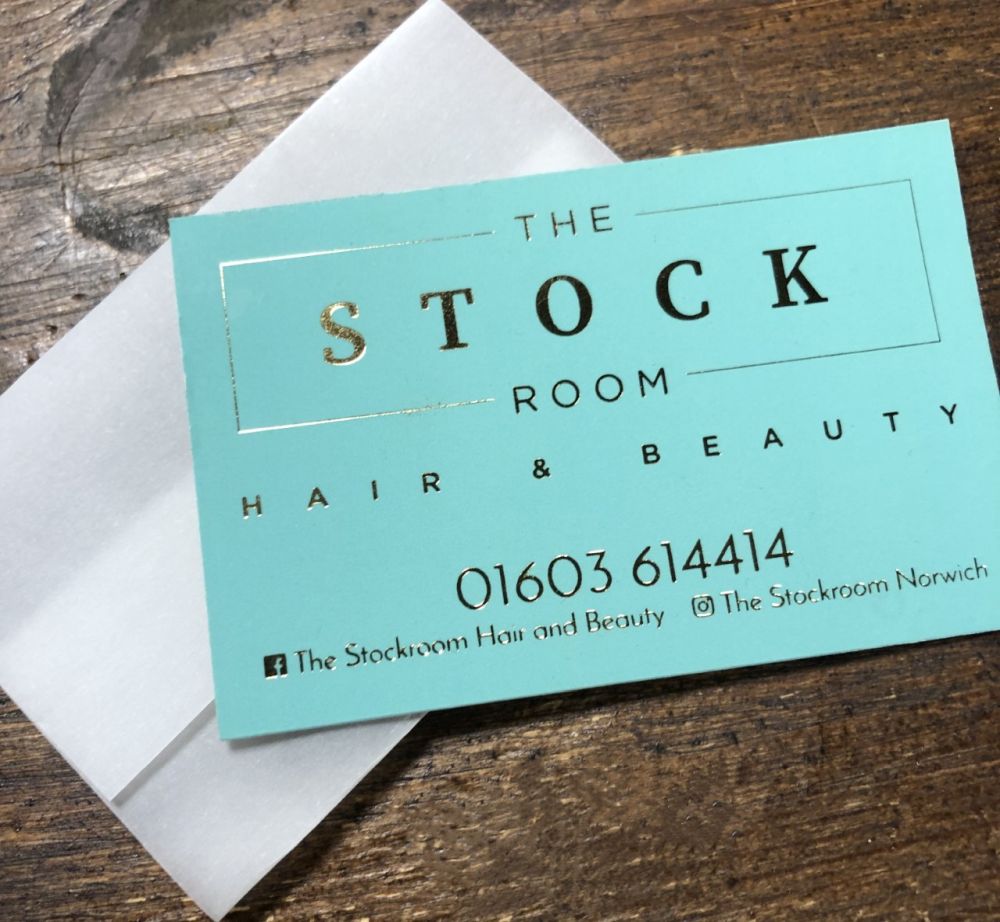
Once you’ve chosen the right paper, the finishing can take the design another step further. At Dynamic Print, we specialise in hot foiling, embossing, blind debossing and die cutting, as well as digital printing. Hot foil can add a metallic or coloured finish, while embossing physically raises part of the design from the surface of the paper. Blind debossing creates an impression without using ink or foil, giving a much more subtle result. Die cutting can also take a piece beyond the standard rectangle, creating interesting shapes and details. The important thing is that the paper and finishing technique need to work together. Not every paper behaves in the same way, and not every stock is suitable for every process. This is one of the reasons we like to discuss the paper and finishing at the beginning of a project rather than trying to decide afterwards.
Paper can be part of your sustainability story
Paper can also say something about the values behind a business. There is now a much wider choice of recycled and alternative papers than there once was. We’ve worked with papers made using materials including cotton, seaweed, agricultural waste and other recycled or alternative fibres. These papers aren’t simply about being environmentally friendly. Many have a really interesting appearance and texture in their own right. For a business, the material can become part of the story behind the finished product. A natural-looking paper might suit an environmentally focused brand, while a beautifully textured stock could be perfect for a luxury product. The important thing is choosing something that feels right for the project rather than choosing a paper simply because it is different.
The importance of choosing paper early
One mistake we sometimes see is leaving the paper choice until the end of the design process. Ideally, the paper should be considered from the start. A designer might create artwork with a particular paper in mind, only to discover later that the chosen stock isn’t suitable for the printing or finishing required. Paper thickness, texture, colour and surface can all affect the finished result. This is particularly important when combining processes such as digital printing, foiling, embossing or die cutting. Sometimes a small change in paper can make a big difference to both the appearance and the cost of a job.
Sometimes the paper is the design
We’ve produced plenty of jobs where the paper itself does a lot of the work. A beautiful coloured or textured stock with a simple design can be more effective than covering the page with lots of graphics. The same applies to specialist papers. If the material already has an interesting texture, fibre or colour, it can be better to let it show rather than trying to disguise it. This is something we really enjoy at Dynamic Print finding the right combination of paper, print and finishing to make a job work.
Choosing the right paper
There isn’t one paper that is right for every project. The best choice depends on what you’re producing, how it needs to feel, how it will be printed and finished, and of course your budget. If you’re not sure where to start, we’re always happy to talk through the options. We’ve got years of experience working with different papers and card stocks, and sometimes the simplest way to find the right one is to look at a few samples and see what works. Because sometimes, the paper is just as important as what’s printed on it.